



25 Autumn Writing Prompts for Cosy Short Stories
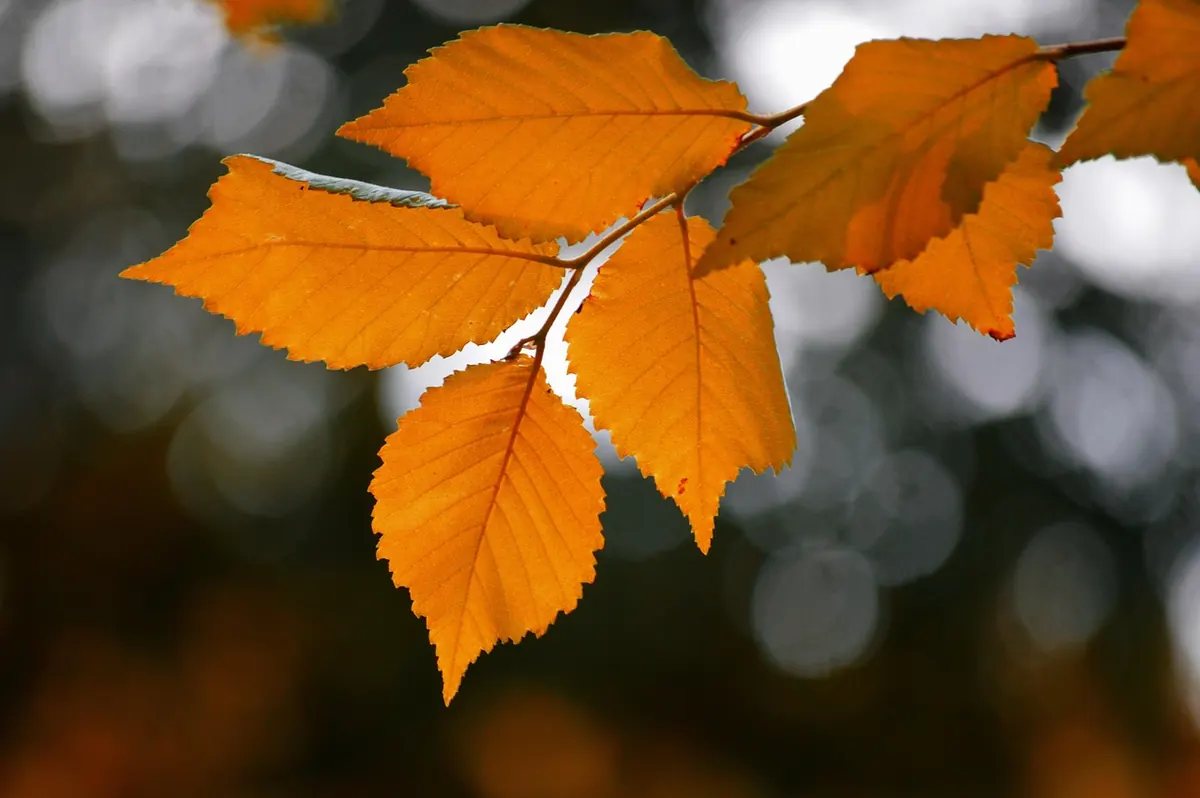
Autumn does half the work for you. The light turns gold by four o'clock, the air smells of wet leaves and woodsmoke, and everyone starts wanting to be indoors. That mixture of melancholy and comfort is exactly what a short story needs.
The twenty-five prompts below are built around British autumn: its weather, its food, its traditions and the small rituals that mark the shortening days. Take one, set a timer, and see where it goes. You don't have to use the whole prompt — half a sentence is often enough.
How to Get the Most From a Prompt
A prompt is a starting point, not a plot. Before you write a word, decide three things quickly: who wants something, what is in their way, and what has changed by the final line. Keep the frame small. One afternoon, two people and a single room will carry a good story further than a sweeping family saga.
- Use the senses you can smell. Wet wool, paraffin, bonfire smoke, apples going soft in the fruit bowl. Autumn announces itself through the nose before the eyes catch up.
- Let the weather do the work. Rain keeps people in a room together. Fog hides whoever is coming up the lane. An early frost kills something that mattered.
- Aim for one page. A tidy twelve hundred words beats five thousand words of notes you never return to.
- Don't edit while drafting. Write to the end badly, then go back and fix it. Stopping to polish paragraph two is how stories die.
Prompts 1–7: Light, Weather and the Turning Year
- Someone walks the same lane home every evening for a week. On Friday, they finally say aloud what they have noticed about the light.
- Two strangers share a bus shelter in a downpour. Behind them, a noticeboard is crowded with small cards for lost things.
- A foggy morning in a market town. A man keeps hearing a sound he cannot place, and it is coming from his own garden.
- Set a story inside a static caravan in October, where a paraffin heater is the only warm thing in the room.
- The clocks go back and a character gains an hour they have no idea what to do with. Watch them use it badly, or bravely.
- A hard frost finishes off the last of a garden. Tell it through the eyes of the person who planted it for somebody else.
- The power goes during a wet Sunday teatime. By candlelight, a family plays a board game and one of them says too much.
Prompts 8–14: Kitchens, Fires and Indoors
- Baking day. The recipe card is in handwriting your character only half-remembers, and one line of it is wrong.
- A bonfire party where the wood being fed to the flames includes something that should never have left the house.
- Someone inherits a kitchen with an old range cooker and no instructions, while a neighbour keeps arriving with advice.
- Soup made from the last of the garden. A neighbour turns up on the step with something that sounds almost like an apology.
- A bookshop on a wet Tuesday. The cat refuses to move, a coat drips by the door, and one customer stays long past closing.
- A village pub with a real fire and a Thursday quiz. A stranger asks to join a team that has been three people for years.
- Apple-pressing day at a small orchard: one borrowed press, two families, and an arrangement nobody has ever written down.
Prompts 15–20: Traditions and Occasions
- Bonfire Night. A child's Guy is dressed in old clothes, and a father recognises a shirt he thought he had given away.
- Remembrance Sunday at the village memorial. Someone finds a name cut into the stone that should not be there.
- Harvest Festival. Among the tins and the tinned peaches is one donation with a note tucked inside the label.
- A primary school conker championship, told from the point of view of a child who has just worked out that the rules are not applied fairly.
- Folklore says you never pick blackberries after Michaelmas. Someone decides the story is nonsense, and finds out why it was told.
- Halloween. A neighbour leaves a lantern burning in the window all night, and a child becomes convinced it is a signal meant for them.
Prompts 21–25: People, Places, Endings
- A seaside town in late October: shutters down, arcade dark, and a woman looking for a person who moved here deliberately.
- A help-yourself box of apples at a garden gate, with an honesty tin beside it. Follow whoever takes more than apples.
- A couple walk a stretch of coastal path. They have agreed not to discuss one particular thing until they reach the end of it.
- A university town during Freshers' Week, seen through the eyes of someone who has lived on the same street for forty years.
- Someone comes home for half-term and the house smells different. Write only the first hour.
Good autumn stories are rarely about the season. They use the season — the early dark, the drawn curtains, the last of the light — to make an ordinary human problem feel sharper.
Keep the Cosy Habit Going
Pick one evening a week and give it twenty minutes. Make tea, shut the door, choose a prompt, and write without stopping until the timer ends. Save everything, even the failures, in a folder named after the month. By the time the clocks change again you will have a stack of first drafts, and two or three of them will be worth finishing.
When you do decide to tidy a draft, read it aloud. Anything you stumble over needs rewriting; anything that sounds natural is probably working. If you want readers, look for seasonal calls for submissions from small magazines and anthologies — autumn is a popular theme, and a short, specific story about a bus shelter or a conker match will stand out faster than a general one about the season itself.
Above all, keep it warm. The best autumn fiction feels like a kitchen with the light on and the rain outside the window: ordinary, specific, and quietly comforting even when something sad is happening on the page.
Photo: neelam279 / Pixabay