



How to Start a Short Story Reading Group at Your Local Library: A Checklist
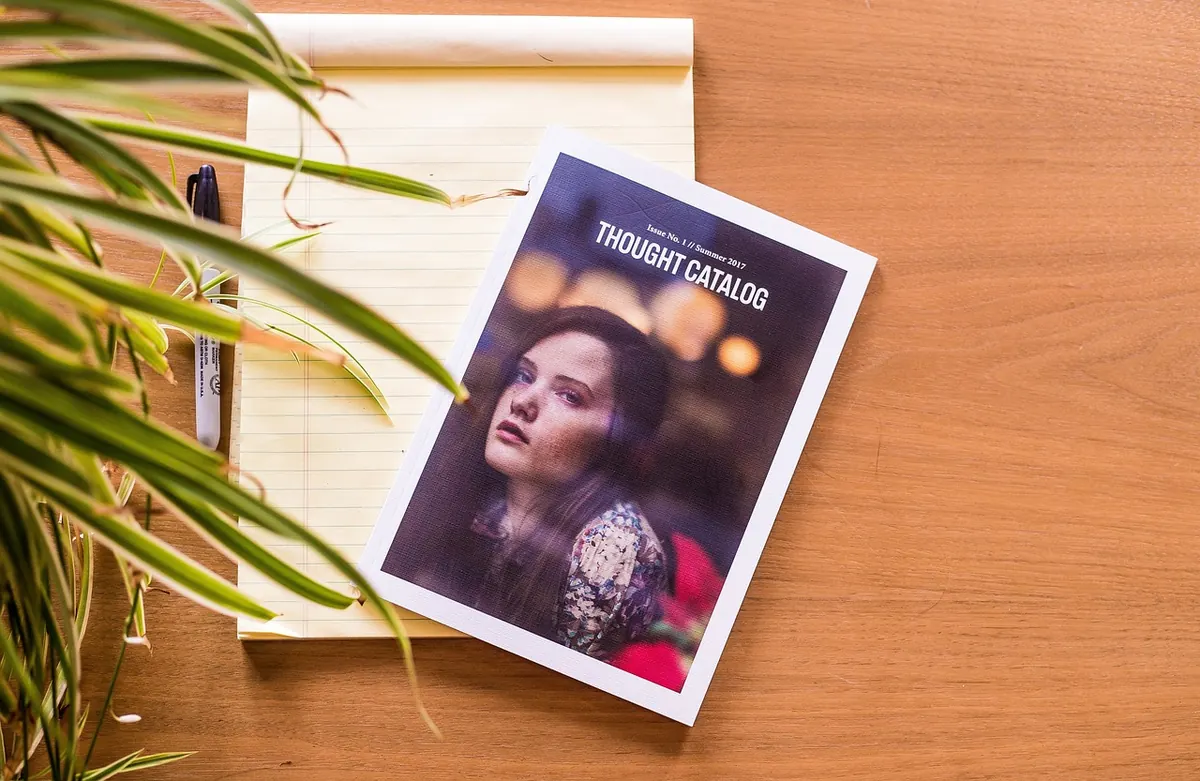
Short stories are the most sociable kind of fiction. Nobody has to remember what happened three hundred pages ago, nobody turns up three chapters behind, and a whole world can be finished in a lunch break. That makes them ideal for a library reading group — and a library is the obvious place to hold one. What follows is the practical order of operations: who to ask, what to put on the poster, and how to run an hour that people want to repeat.
Decide What Kind of Group You Are
Start with a decision that has nothing to do with literature: will people read the story at home, or will they hear it in the room?
The first model suits anyone with a commute or a quiet half hour before bed. The second suits people who find homework off-putting, and anyone with sight loss or dyslexia who would rather listen. Most groups end up mixing the two: everyone reads the story beforehand, and the host reads a short passage aloud during the discussion so that everyone is standing on the same page.
Size matters more than you would think. Six to twelve works well. Under four and the conversation can sag; over fifteen and you will want to break into pairs at least once so that quieter members get a turn.
Whatever you choose, say it plainly on the poster. People are far more likely to turn up if they know exactly what they are turning up to.
Talk to the Librarian Before You Talk to Anyone Else
Ask for twenty minutes with whoever runs the branch, and arrive with questions rather than a finished plan. Librarians are usually glad to host a reading group: it brings regulars through the door and gives them a reason to order anthologies. But their building, their rules.
- Is there a room we can use, and is it step-free?
- Which evenings or mornings are quietest?
- Can the group be listed in the library newsletter and on its social accounts?
- Could the library hold a set of anthologies behind the desk for members?
- What are the rules on tea, coffee and biscuits?
- What is the photocopying situation?
That last question matters. Copying whole stories for a group generally goes beyond what fair dealing allows, so plan to work from published anthologies, library stock, or texts that are out of copyright. Offer something back, too: you will promote the library to the group, tidy the room afterwards, and return the stock to the trolley. If you ever collect money for anything, keep a simple written record and check the library's own rules before you do.
Choose a Slot People Can Actually Keep
Monthly beats weekly. Weekly sounds energetic in January and is a ghost by March. A fixed slot — the second Tuesday of the month, six thirty to eight — is easier to remember than a rota, and easier to put on a poster.
Avoid the school pickup hour. Early evening and Saturday mornings tend to work, and a ninety-minute session gives you room to talk without anyone watching the clock. Check the library's own events calendar first so you are not competing with a poetry evening or a toddler group for the same room.
Build a Reading List — Then Loosen It
Choose your first three stories with care, because they set the tone:
- Mix the lengths. A three-page story and a twenty-page story make completely different evenings. Both are useful.
- Mix the voices. Different eras, different registers, different countries. Readers who bounce off one story often catch fire on the next.
- Include one comic story. Groups drift towards the bleak if nobody intervenes.
- Plan one argument. A story that splits the room is worth more than three that everyone politely admires.
- Keep the sources practical. Anthologies, library copies, out-of-copyright collections.
- Leave the fourth slot empty. Announce three stories at a time, not six, so you can follow what the group actually enjoys.
Give the Evening a Shape
Aimless goodwill is lovely for one meeting and fatal by the third. A light structure does the work for you.
A running order that holds
- First ten minutes: arrivals, tea, no discussion. Let people settle.
- One round: everybody gives a single sentence, or a single word, about how the story landed. No interruptions, no rebuttals. This gets every voice into the room early.
- Read a passage aloud: the ending, or a paragraph somebody mentioned.
- Open discussion: the main course, roughly forty minutes.
- Last five minutes: confirm the next story and next date, thank the librarian.
Questions that open things up
Have three ready in case the room goes quiet. Where did the story change direction? Who is telling it, and what do they want us to believe? What has the writer chosen not to tell us? Which single sentence would you keep?
Avoid opening with "Did you like it?" It invites verdicts before thought. As host, your job is to keep time, watch who has not spoken yet, and resist filling every silence — count to ten before you rescue one. If someone starts on the author's biography, gently steer back to the page. The story is the subject.
Promote It in Three Places, Repeatedly
A poster by the returns desk, a note on the community noticeboard, and a mention in the library's newsletter will reach most of the people who are already in the building. Make the wording identical everywhere: day, time, place, accessibility, the first story, whether reading in advance is required, and a contact email.
Keep the poster short enough to read from two metres away. Then do the thing posters cannot do: ask three people personally. A direct invitation is worth more than a stack of flyers, and most reading groups grow by one friend at a time. Expect a small first meeting. Five people round a table is a success, not a failure.
Your First Meeting: Five Small Things to Get Right
- Bring printed copies of next month's story, or have the anthology ready to hand out.
- Have a sign-up sheet, and ask before adding anyone to an email list.
- Start on time. Finish on time. It sounds fussy; it is why people come back.
- Thank the librarian by name in front of the group.
- Afterwards, write down one thing that worked and one that did not.
A reading group of five people who keep turning up is worth more than twenty who come once. Start small, keep the promise simple — a story, an hour, a room — and let the group shape itself from there. The stories are already on the shelves. You are just opening the door.
Photo: ThoughtCatalog / Pixabay