


How to Write a Short Story in One Sitting: A Step-by-Step Guide for Beginners

Two hours. One story. No brooding, no waiting for the mood to arrive. Most beginners assume a short story takes weeks, but the version you actually need first — a complete draft with a beginning, a middle and an end — can be written in one sitting. What it takes is a plan, a timer, and the discipline to leave the typos alone until later.
Here is a step-by-step route from blank page to final line, timed for roughly two and a half hours. Adjust the numbers to suit your pace, but keep the order.
Before You Begin: Clock, Target, Distractions
Decide now that this is a drafting session, not an editing one. Clear the desk, silence the phone, and put a glass of water within reach. If you need a fact you do not have — what a 1970s passport looked like, how long the drive from Leeds to Hull takes — type [CHECK] and keep going. Research is the most respectable form of procrastination there is.
Then set a target. Short stories commonly run from about 1,000 to 3,000 words; for a first one-sitting draft, aim for 1,200 to 1,800. That is a relaxed pace of around 20 words a minute, with room left over for thinking.
The First Thirty Minutes: Prompt, Person, Problem
Minutes 0–15: choose a prompt that has heat in it
A prompt is only useful if it makes you curious. Read these once and pick the one your mind keeps returning to.
- A letter arrives, addressed to someone who died last year.
- Two people share a bus shelter in the rain; one is carrying the other's wallet.
- A woman packs a suitcase at three in the morning and finds something she had hidden from herself.
- A man is asked to give a speech at the funeral of someone he never met.
Now write one sentence underneath: This is a story about a person who wants something, and something stands in the way. Fill in the blanks. That sentence is your compass for the next two hours, and you will check it whenever you drift.
Minutes 15–30: give the story a spine
You do not need a plot outline. You need five decisions, written as plain sentences:
- Who — a name, an age, and one concrete detail (she keeps receipts in a shoebox; he cannot swim).
- Where and when — one place, one afternoon. No sagas.
- What they want — small enough to be settled today, big enough to hurt.
- What is in the way — a person, a debt, a lie, their own cowardice.
- What changes — the last thing that happens, in a single line.
If you can answer those five, you have a story. If you cannot answer the fifth, write the worst plausible thing that could happen and start there. Endings can be revised; blank pages cannot.
The Drafting Hour: Write Without Stopping
Write in scenes, not summaries. A scene has a place, two or more people, and something at stake. Start it late — mid-argument, kettle already boiled — and leave as soon as the important thing has been said.
Three rules keep the speed up:
- Let dialogue carry the tension. People rarely say what they mean, so let yours talk around it.
- Skip travel and weather unless the weather is doing work.
- If a sentence stalls you, write the next one badly and carry on. You are building a draft, not a monument.
The Turn: Make It Worse
Most drafts sag about two-thirds of the way through, when the character has explained everything and nothing is left to discover. Fix it with one move: raise the cost. The secret comes out early. The person they were counting on refuses. They do the thing they swore they would never do. Pressure comes from consequence, not from more description.
Read back your sentence from the first thirty minutes. Is the want still driving the scene? If not, cut the scene, or fold its best line into the one before it.
The Landing: Find Your Final Line
Your last line should echo the first line, reverse it, or quietly close a door. Resist explaining the theme. If the story is about a woman learning that her brother lied to her, the last line might be the sound of a kettle, or a lie of her own. Let the reader do a little of the work.
Then stop. Not when the story is perfect, but when it is finished. Beginners confuse the two, and the confusion is what keeps drafts unfinished for months.
Common Snags in a One-Sitting Draft
- It keeps growing. You are writing the opening of a novel. Narrow the timeframe to a single day.
- It reads flat. Add one specific object, one smell, one number. Concrete detail creates atmosphere faster than adjectives.
- You cannot see the ending. Give the character the choice they have been avoiding, then make them choose.
- You want to look something up. Mark it [CHECK] and move on.
- You have only reached 900 words. That is a complete short story. Flash fiction is respectable company.
After the Sitting: Let It Cool, Then Read It Aloud
Put the draft away for at least a day. When you come back, read it aloud — the ear catches clumsy sentences the eye forgives. Fix only what genuinely trips you, then give it to one trusted reader with a specific question, such as "Does the ending feel earned?" General praise helps nobody.
The value of writing in one sitting is not the quality of the draft. It is the proof that you can finish. A rough, finished story can be edited into a good one, and you now have a method you can repeat next week: same clock, a new prompt, another story.
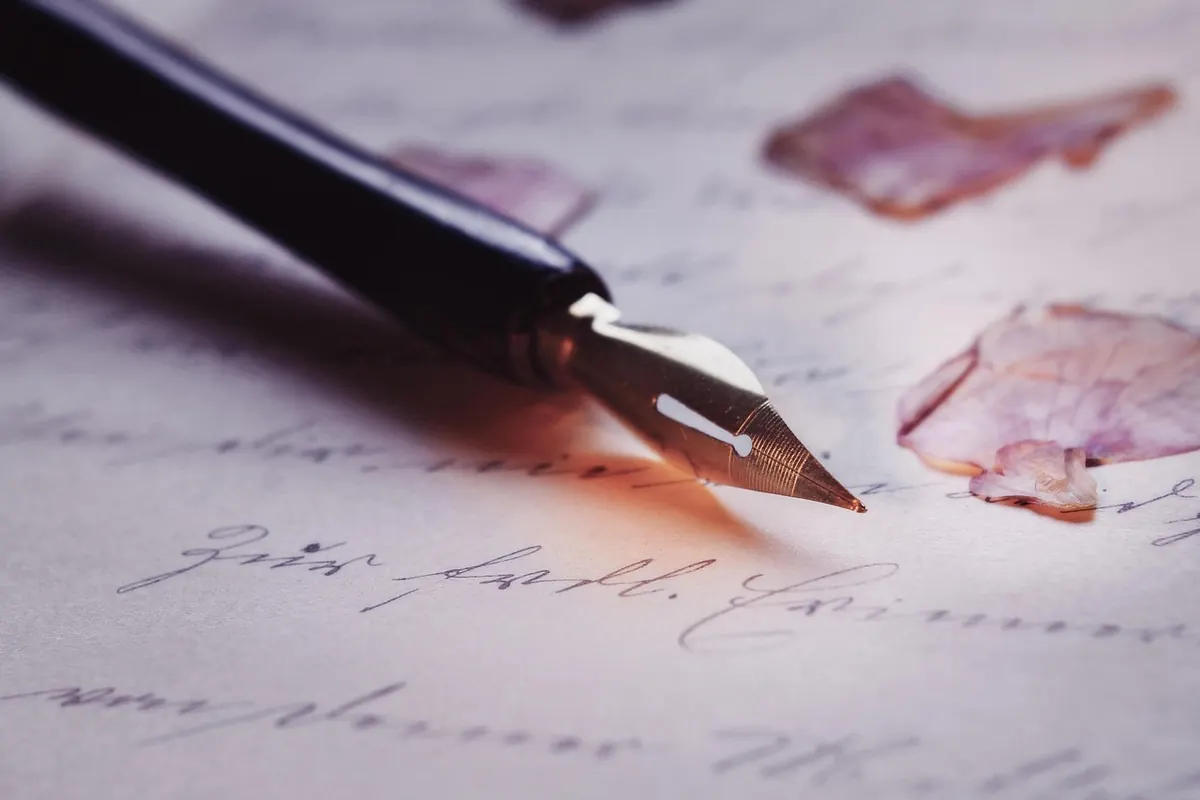
Photo: RaniRamli / Pixabay